Game mechanics are the foundational rules and systems that define how a game operates, shaping the player’s experience and interaction. They serve as the building blocks of gameplay, influencing decision-making, problem-solving, and strategic planning. Beyond entertainment, understanding these mechanics can significantly boost cognitive skills such as critical thinking, adaptability, and foresight.
Mục lục
Game mechanics refer to the rules, systems, and interactions that govern gameplay. These include resource management, spatial manipulation, triggered events, and more. They create a structured environment where players make decisions, adapt tactics, and develop strategies. For example, resource collection mechanics require players to balance expenditure and conservation, fostering strategic planning.
Strategic thinking involves analyzing situations, predicting outcomes, and making decisions that maximize advantages over the long term. In gaming, this manifests through planning moves, managing resources, and anticipating opponents’ actions. Outside gaming, strategic skills are vital in business, personal development, and problem-solving, highlighting the importance of understanding underlying mechanics.
By mastering game mechanics, players learn to think ahead, evaluate risks, and adapt strategies dynamically. Research shows that engaging with complex game systems enhances executive functions such as working memory, cognitive flexibility, and decision-making speed. These skills transfer to real-world scenarios, improving personal and professional problem-solving abilities.
Mechanics such as resource limits or spatial constraints compel players to prioritize actions and consider trade-offs. For instance, in strategy games, managing limited resources forces players to evaluate short-term gains versus long-term sustainability, fostering deep strategic thinking.
Feedback mechanisms—like score updates or opponent responses—provide crucial information that guides players’ future actions. Effective feedback enables players to recognize errors, adjust tactics, and refine their strategies iteratively, akin to real-world learning processes.
Interacting with intricate mechanics enhances problem-solving skills and mental agility. Studies indicate that players who regularly engage with multi-layered systems develop better pattern recognition, strategic foresight, and adaptability, which are essential in dynamic environments.
Collecting symbols or resources requires prioritization and planning. Managing multiple resource types—such as currency, energy, or cards—encourages players to weigh immediate needs against future benefits. For example, in card games, deciding when to deploy powerful cards versus conserving them for critical moments exemplifies strategic resource management.
Manipulating game spaces—such as expanding grids or repositioning elements—broadens tactical possibilities. This mechanic encourages foresight and planning, as players anticipate how changes will influence future moves. The ability to adapt spatial configurations is crucial in games like chess or tactical board games, where positioning determines success.
Events activated by specific conditions—like enemy actions or resource thresholds—add layers of complexity. Anticipating these triggers and preparing contingency plans cultivate foresight and adaptive decision-making, skills valuable far beyond gaming.
Pirots 4 exemplifies complex mechanic interaction through resource management, spatial manipulation, and triggered events. Its mechanics are designed to challenge players’ strategic thinking and adaptability, making it a compelling modern example of how mechanics serve educational purposes.
In Pirots 4, players must balance resource collection—like managing supplies during alien invasions—and spatial decisions, such as deploying bombs or expanding the game grid. These mechanics require planning ahead and foresight, mirroring real-world strategic challenges.
The Alien Invasion mechanic introduces a dynamic adversary that players must counter through resource allocation and timing. The Spacecorn mechanic adds an element of resource generation, requiring players to decide when to deploy or conserve. Both mechanics deepen strategic layers and simulate real-world resource and threat management.
Corner Bombs allow spatial control and grid expansion, teaching adaptability. Space portals facilitate movement and resource flow, expanding tactical options. These features exemplify how mechanics can create emergent strategies, encouraging players to think creatively about mechanic interactions.
Managing the Alien Invasion mechanic involves balancing resource collection with threat mitigation. This fosters strategic planning under pressure, encouraging players to develop adaptive responses to unpredictable threats, similar to crisis management in real life.
In Lost in Space, players must prioritize which resources to gather while avoiding hazards, promoting risk assessment and decision sequencing. This mode exemplifies how managing uncertainty enhances strategic thinking.
Using Corner Bombs to expand the playing area teaches players to plan for future states, adapt to changing conditions, and think several moves ahead—core components of strategic cognition.
Events activated by game conditions generate complex decision pathways. Players must evaluate multiple scenarios and outcomes, fostering multi-layered strategic reasoning akin to real-world decision trees.
Optimal timing of mechanic deployment—such as activating portals or bombs—can drastically change game outcomes. This emphasizes the significance of sequencing decisions, a skill transferable to project planning and operations management.
The interaction of mechanics often leads to unforeseen strategic opportunities. For instance, combining spatial manipulation with resource triggers can create emergent tactics, encouraging innovative thinking and flexible problem-solving.
By analyzing mechanics like resource allocation or timing, individuals can enhance their planning and decision-making skills in business, finance, and personal life. For example, applying resource management principles from games can optimize project budgets or time allocation.
Mechanics such as risk assessment, contingency planning, and prioritization mirror real-world processes. Recognizing these parallels allows for better strategic planning and adaptability in professional contexts.
Educational programs incorporating game mechanics can cultivate problem-solving, strategic foresight, and adaptability. Such approaches are supported by research indicating higher engagement and retention of complex concepts through interactive learning.
Fundamentally, game mechanics are more than entertainment—they are practical tools that cultivate strategic skills. Mechanics like resource management, spatial manipulation, and event triggers foster foresight, adaptability, and decision-making, essential in diverse real-life scenarios.
Modern games such as Pirots 4 x-iter demonstrate how complex mechanics can be harnessed for educational purposes, promoting cognitive development through engaging, strategic play.
By intentionally engaging with game mechanics and understanding their strategic implications, players and learners can unlock valuable cognitive benefits. This deliberate approach transforms gaming from mere pastime into a powerful tool for personal and professional growth.

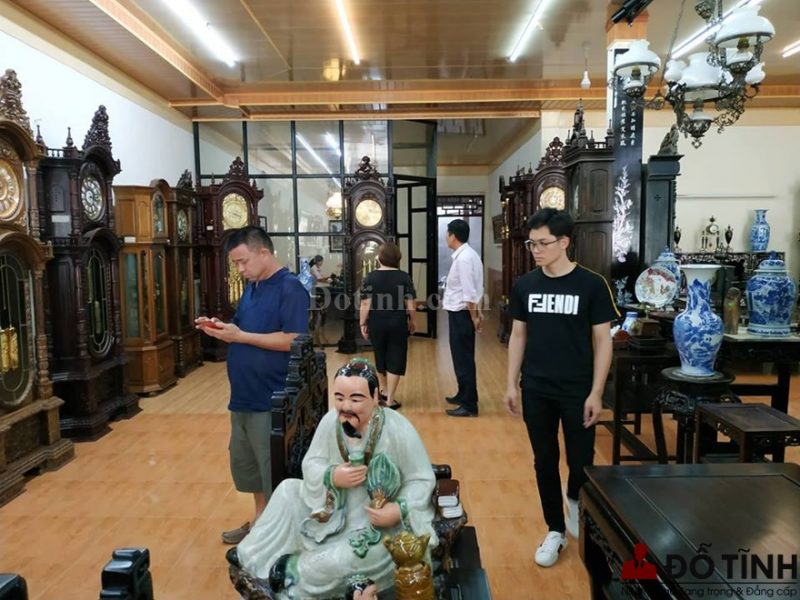
Thương hiệu Đỗ Tĩnh được ra đời với mong muốn trở thành một địa chỉ tin cậy, uy tín hàng đầu trong lĩnh vực đồ gỗ mỹ nghệ cổ truyền.
Tên thương hiệu Đỗ Tĩnh là để khẳng định uy tín và khát vọng của người sáng lập, theo đuổi tận cùng đam mê nghệ thuật trạm khảm, điêu khắc trên gỗ.
Chúng tôi luôn chế tác và sưu tầm những tác phẩm đỉnh cao bậc nhất trên thị trường để phục những vị khách hàng khó tính nhất thị trường gỗ mỹ nghệ.
cập nhập kiếm thức về đồ gỗ nội thật mỗi tuần 1 lần.
Địa chỉ văn phòng: Đường số 1, Làng nghề 1, Hải Minh, Hải Hậu, Nam Định
Số điện thoại: 0948777798 – 0938515171
Email: dogodotinh@gmail.com
Website: https://dogodotinh.com
Bản quyền được bảo lưu bởi Đồ Gỗ Đỗ Tĩnh